For years I thought the answer to bad prep work was a better knife. I bought a Wusthof, then a Japanese santoku, then a second Wusthof when the first one "felt off," and none of it fixed the actual problem. The actual problem was that every knife in my block was dull, and I didn't know it because I'd never felt a properly sharp one. It wasn't until I started running my knives through a Chef'sChoice electric sharpener on a regular schedule that I understood how much of what I blamed on the knife was really the edge.
I've recipe-tested for two decades, which means I've prepped thousands of pounds of onions, tomatoes, and chicken breasts under a deadline, and I can tell you with total confidence that a $40 knife sharpened weekly outperforms a $150 knife sharpened never. Sharpening is the unglamorous habit nobody talks about, and it matters more than the brand name on the handle. Here are the ten reasons I've watched it pay off in my own kitchen, plus the one thing I stopped bothering to sharpen.
A dull knife is doing more damage than you think
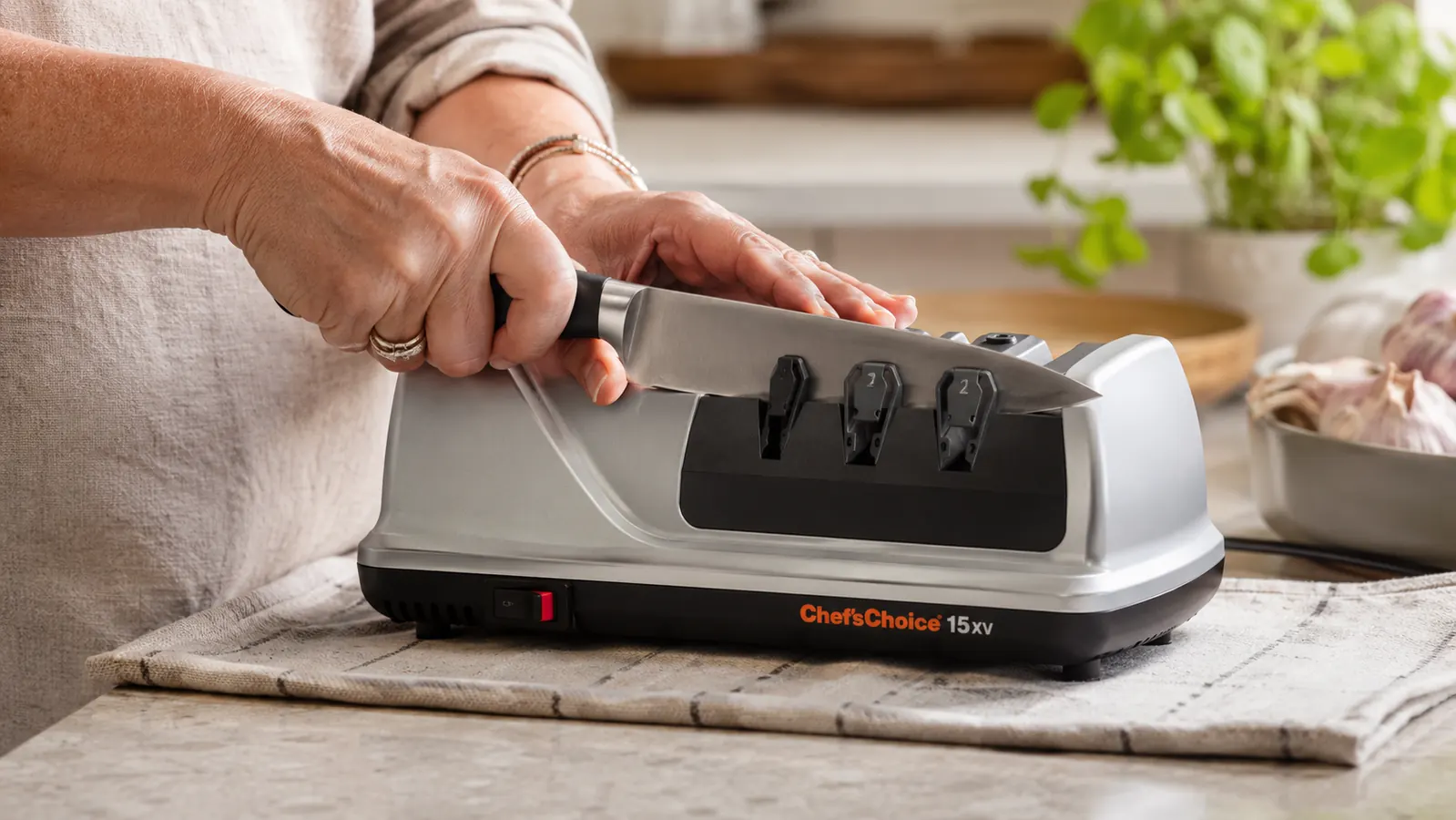
The Chef'sChoice 15XV EdgeSelect is the sharpener behind every reason on this list, three diamond-abrasive stages, a fixed angle, and three minutes to a real edge.
Amazon Check Today's Price on Amazon →Sharp knives are actually safer than dull ones
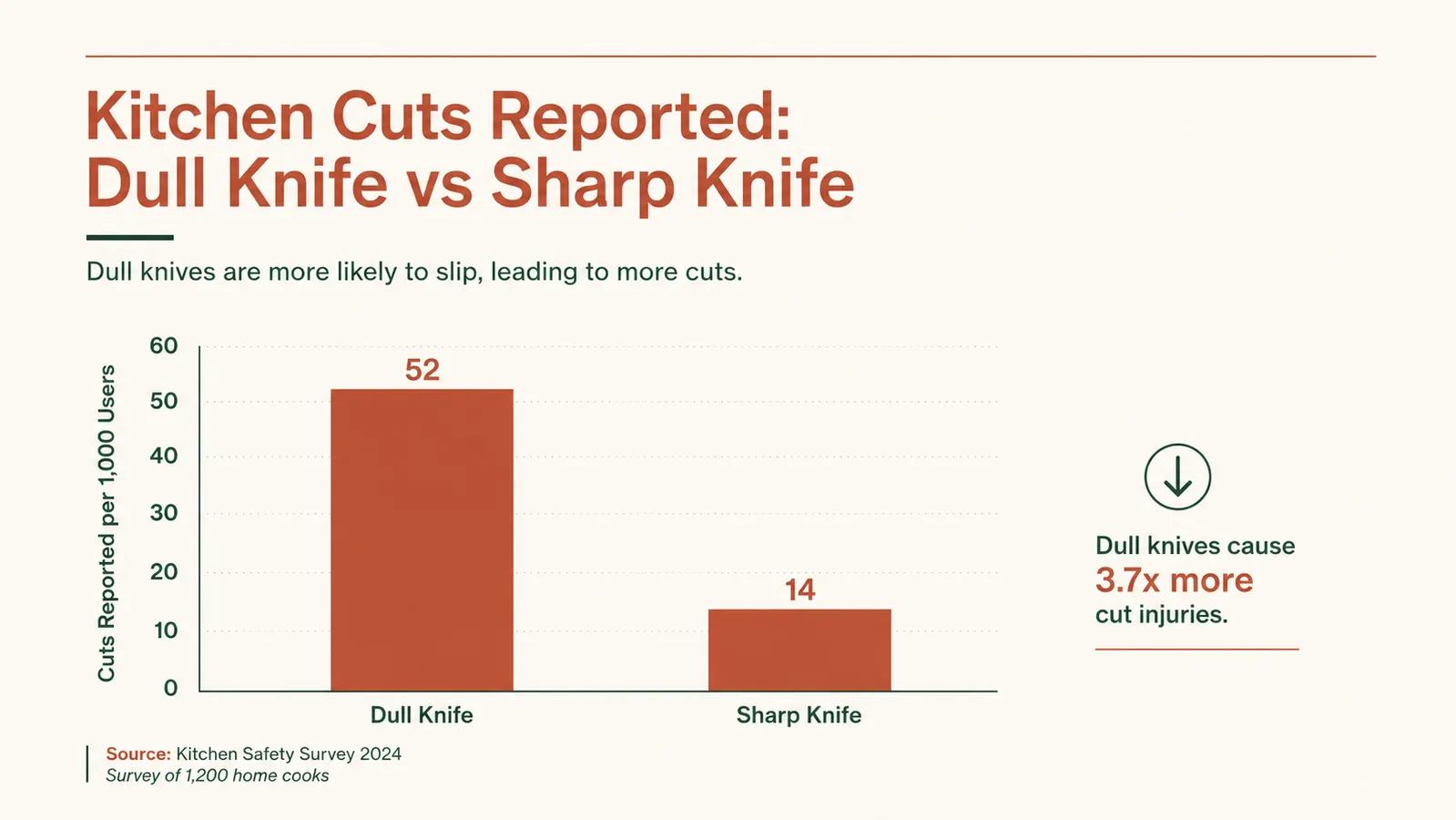
This one surprised me the first time a knife instructor said it out loud, but it's true and it's the reason I take sharpening seriously. A dull blade needs more downward force to get through the same tomato skin or chicken breast, and more force means more slip, and slip is how you end up in urgent care. A sharp edge glides through resistance instead of fighting it, which means less pressure, more control, and fewer of those heart-stopping moments where the knife skates sideways off a carrot instead of through it.
Every cut looks better, which matters more than I expected
A dull knife doesn't slice a tomato, it crushes it slightly on the way through, and you end up with ragged edges and pooled juice on the board instead of clean rounds. I didn't think presentation mattered on a random Tuesday until I noticed how much better a salad looks with crisp, even cuts. It's a small thing, but it's the difference between food that looks like it came from a real kitchen and food that looks rushed, even when the recipe itself is identical.
Prep time drops more than people expect
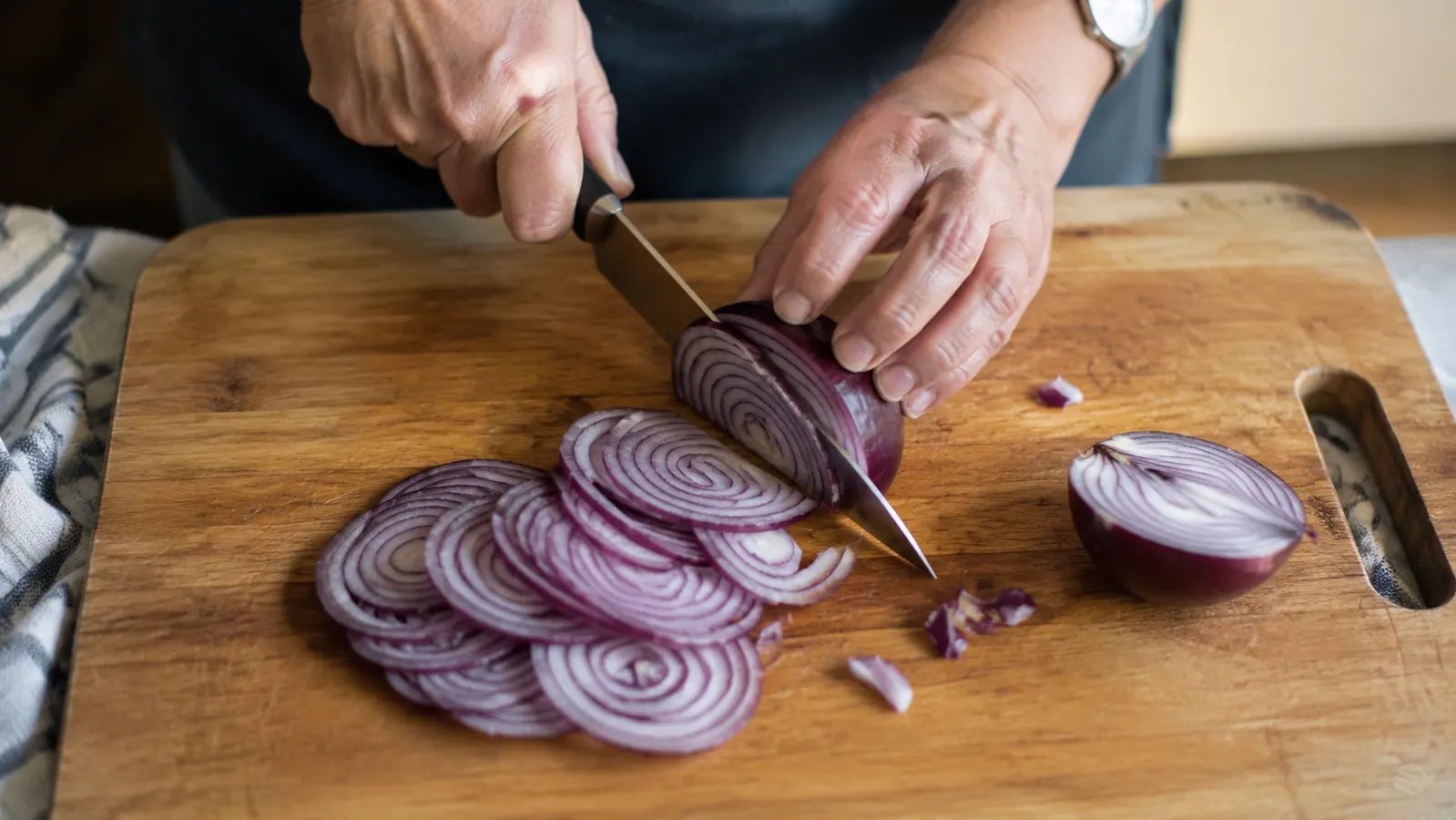
I timed myself dicing an onion with a dull knife and then again with the same knife freshly sharpened, and the sharp pass was almost twice as fast, not because I was rushing, but because I wasn't fighting the blade or stopping to reposition a piece that didn't fully separate. Multiply that across a full weeknight prep list, peppers, garlic, chicken thighs, and a sharp edge can shave ten or fifteen real minutes off getting dinner on the table.
Sharpening is cheaper than replacing knives
I used to treat a knife that felt dull as a knife that needed replacing, which is an expensive habit when a decent chef's knife runs $80 to $150. A three-minute pass through an electric sharpener costs nothing after the initial purchase and restores an edge that feels close to new. I've kept the same core knife block for three years now instead of quietly upgrading every year or two out of frustration, and that alone has saved more than the sharpener cost.
It protects the money you already spent on a good knife
If you did splurge on a nicer knife, letting it go dull and then trying to force it through tough cuts is how you chip or bend the edge, which is much harder to fix than routine sharpening. Regular maintenance keeps the geometry of the blade intact instead of letting years of dull, forceful cutting slowly wear it into something uneven. Treating a good knife well after the purchase is just as important as picking the right one in the first place.
Herbs and delicate produce stop bruising
A dull knife doesn't slice basil, it tears it, and torn herbs oxidize and turn brown within minutes, which is why restaurant basil chiffonade looks bright green and mine used to look sad by the time it hit the plate. The same goes for soft tomatoes, ripe peaches, and fresh mozzarella. A sharp edge separates cleanly instead of crushing cell walls, which keeps produce looking and tasting the way it's supposed to instead of bruised before it even makes it into the dish.
Even cuts mean even cooking
This is the one that took me the longest to connect to sharpening specifically. A dull knife produces inconsistent pieces, some thick, some thin, some ragged, because the blade isn't tracking cleanly through the food. Inconsistent pieces cook inconsistently, so a stir-fry ends up with some vegetables mushy and others still raw. Once I started sharpening on a real schedule, my dice got noticeably more uniform without me trying harder, and dinners started coming out cooked evenly across the board.
It makes cooking at home feel worth doing
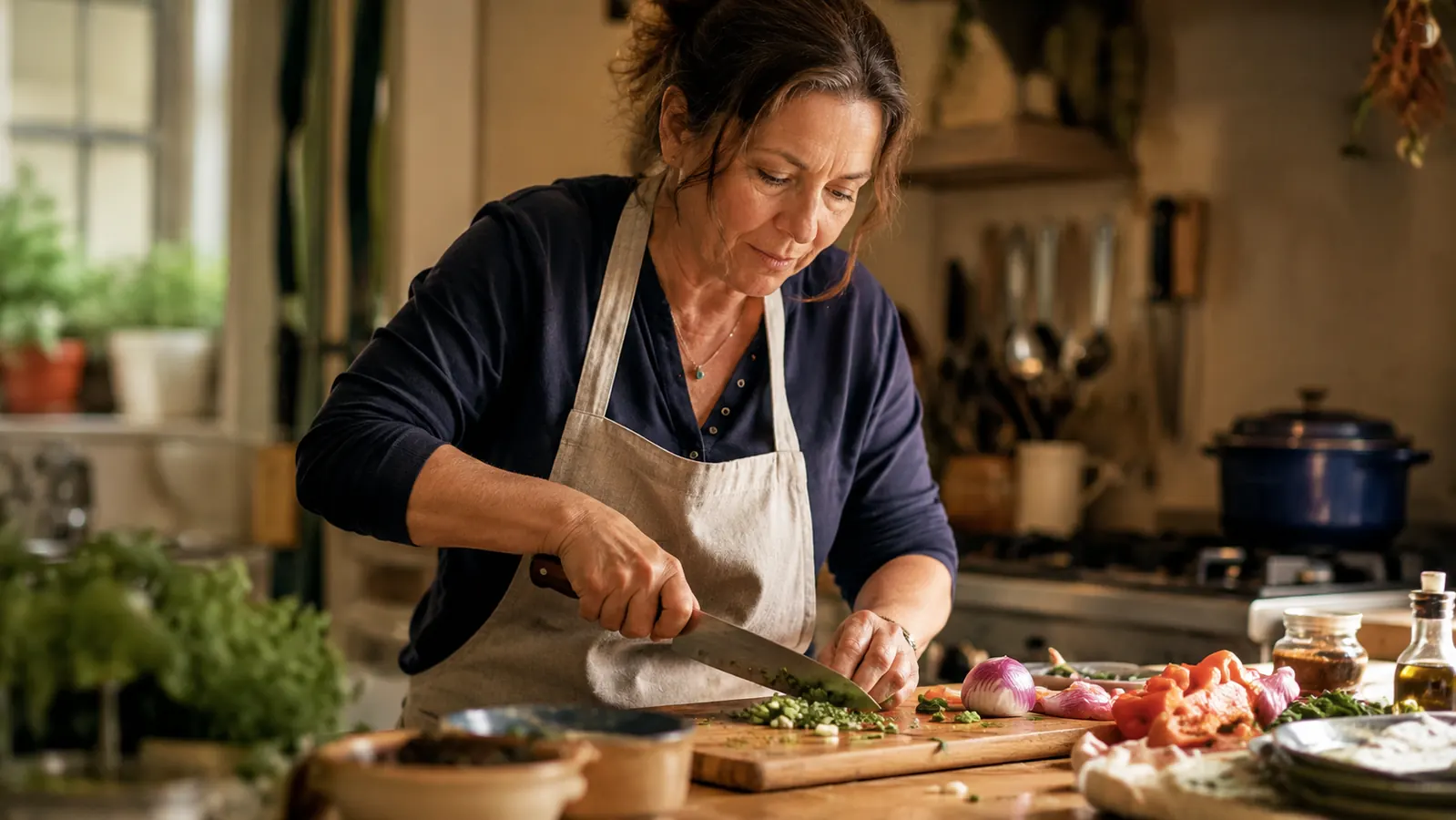
There's a version of cooking that feels like a chore, fighting a dull knife through a chicken breast, and there's a version that feels almost relaxing, when the blade does what it's supposed to on the first try. I notice a real difference in how much I want to cook on a busy weeknight based on whether my knives are sharp. A tool that works the way it should removes one more excuse to order takeout instead of making the meal I actually planned.
A budget knife with a great edge beats an expensive knife without one
I've done this comparison in my own kitchen more than once. A $25 knife sharpened right before I use it will out-cut a $150 knife that hasn't seen a sharpener in eight months, every single time. The steel quality affects how long an edge holds, not whether the knife performs well the moment it's sharp. If your budget is tight, spend it on a reliable sharpener before you spend it on a fancier knife, the edge is doing more of the work than the brand name.
A quick routine beats an occasional deep fix
The kitchens I've worked in that stayed on top of sharpening never had a knife go truly, dangerously dull, because a quick touch-up every few weeks catches the slide before it gets bad. The kitchens that waited until a knife was obviously struggling always had a worse job ahead of them and usually a few close calls along the way. Building sharpening into a routine, not an emergency, is the single biggest shift that changed how my knives actually perform day to day.
What I'd Skip
I don't run my cheap box-opener utility knife through a real sharpening cycle, it's not precision steel and it doesn't hold an edge long enough to justify the time. I also skip sharpening a knife that's only going to sit in a drawer for months, since the edge will need touching up again before its next real use anyway. And I don't chase a razor edge on a knife I mostly use for rough tasks like breaking down a squash, a moderately sharp edge there is plenty and saves the diamond wheels for knives that actually need the finer stage.
I spent years upgrading knives to fix a problem that was never the knife. It was the edge, and the edge is the cheapest thing in the whole kitchen to fix.
The habit that changed my knife block more than any upgrade ever did
If a dull edge has been quietly making every dinner prep harder, the Chef'sChoice 15XV EdgeSelect is the tool I'd point to first, before any new knife.
Amazon Check Today's Price on Amazon →