
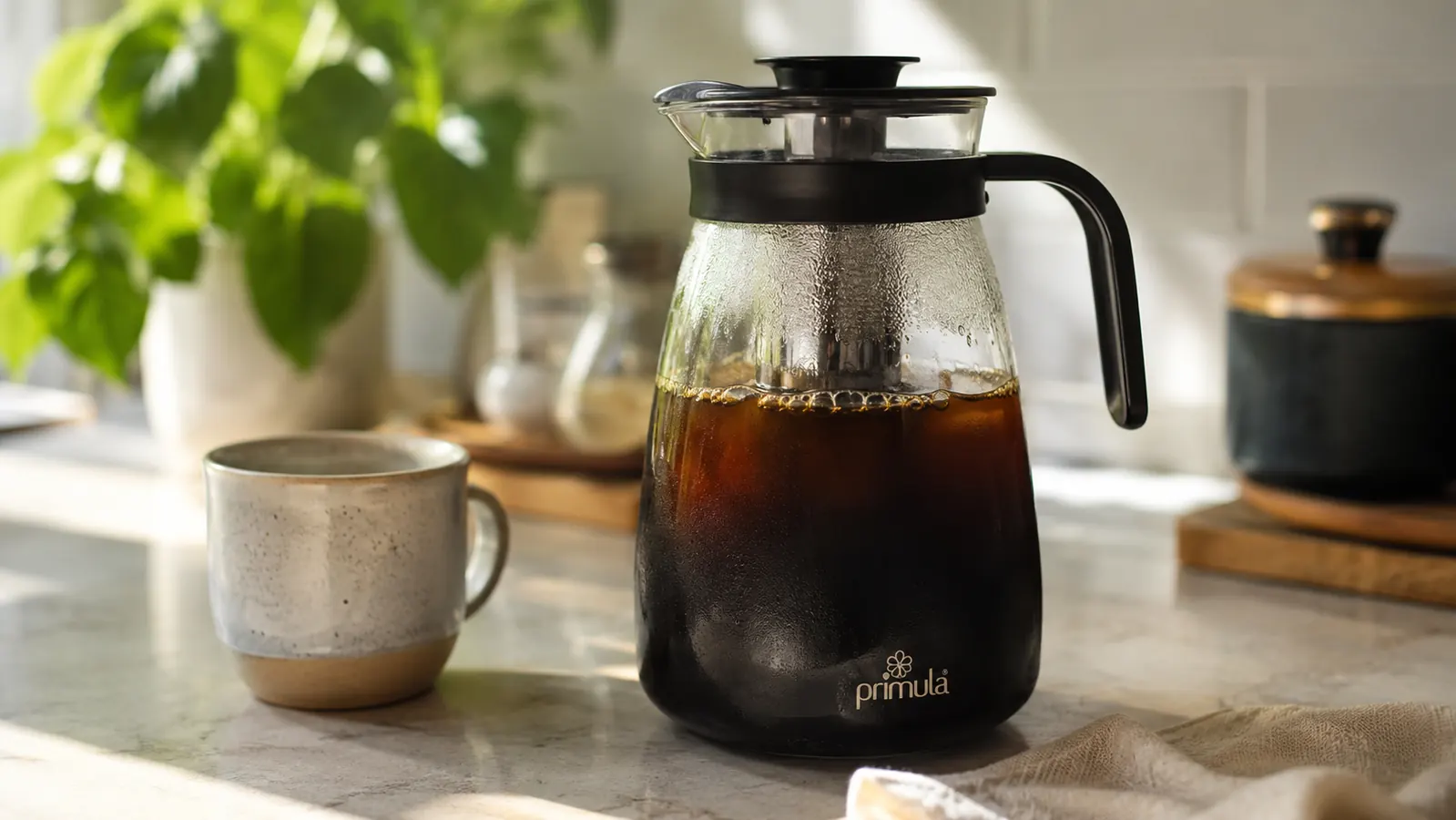
I bought my Primula Burke Deluxe Cold Brew Coffee Maker in early January, mostly because I was tired of running the drip machine every night just to have iced coffee ready by 6 a.m. Six months and roughly 180 batches later, it is still the first thing I reach for when I walk into my kitchen, and that is saying something in a house where gadgets get demoted to the cabinet above the fridge within a month. My kitchen is a small 1970s galley layout I've never gotten around to renovating, so anything that earns permanent counter space has to prove itself fast.
I am not new to testing kitchen gear. Twenty years of cooking and recipe-testing for anyone who will read it has taught me that the stuff that survives isn't always the fanciest, it's the stuff that keeps earning its spot on the counter after the novelty wears off. The Primula Burke passed that test for me, but it took a few months of daily use, a couple of near-misses with the glass carafe, and one genuinely annoying discovery about the filter before I'd call it a keeper.
The Quick Verdict
A genuinely good daily cold brew maker for the counter-space price of a coffee shop run, though the glass carafe demands a little more care than I'd like.
Amazon Check Today's Price →Still Paying for Iced Coffee by the Cup? This Sits on Your Counter and Makes a Week's Worth Overnight.
The Primula Burke Deluxe brews a full 1.6 quarts in one overnight steep, no pods, no subscription, no drip machine running twice a day.
Amazon Check Today's Price on Amazon →How I've Used It
My routine hasn't changed much since week one. I fill the mesh filter with coarse-ground beans, roughly a cup and a half for the full carafe, seat it into the glass pitcher, add cold filtered water up to the fill line, and put the whole thing in the fridge before bed. Twelve hours later I pull the filter basket out, rinse it, and I have enough concentrate to get my husband Tom and me through four or five days of iced coffee, cut with milk or more water depending on how strong we're feeling.
I tested it against my old method first, a cheesecloth-and-mason-jar setup I'd used for two years because I didn't want to spend money on a dedicated maker. The Primula won that comparison inside of a week. The mesh filter catches sediment far better than cheesecloth ever did, and I stopped finding coffee grounds at the bottom of my glass, which sounds minor until you've been picking grit out of your teeth every morning for two years like I had.
Six months in, I've run it through every kind of bean I keep in the pantry, a medium-roast Sumatra, a couple of grocery-store house blends, and a splurge bag of Guatemalan a friend brought back from a trip. The maker doesn't change the coffee, obviously, but it's consistent enough that I can actually taste the differences between beans instead of the process getting in the way.
The Filter and Carafe: What's Actually Doing the Work
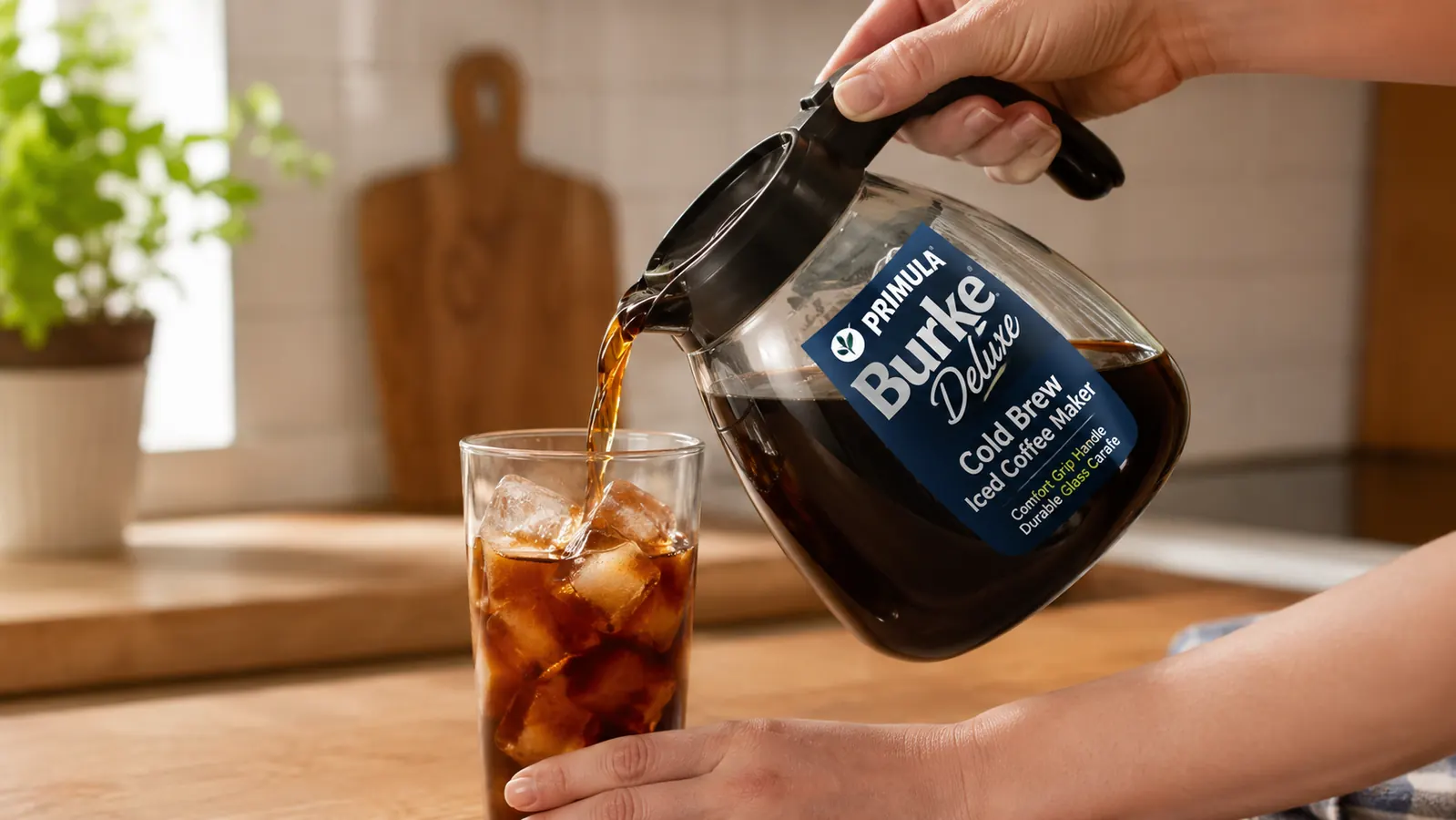
The reusable mesh filter is the part doing the real work here, and it's held up better than I expected. Six months of nightly use, nightly rinses, and a dishwasher run about once a week, and the mesh still hasn't torn or gone loose at the seams. I was fairly sure by month three I'd be shopping for a replacement filter online, the way I have with cheaper pour-over baskets, but it just kept going. I've also run it through more dishwasher cycles than the manual probably recommends, just to see if the mesh would warp under heat, and it hasn't.
The 1.6-quart glass carafe is the part I'm more careful with. It's a real glass pitcher, not plastic, which matters for anyone who doesn't want their cold brew tasting like the inside of a water bottle after a few weeks. But glass means glass rules apply: I dropped the lid on tile once in March and it cracked at the hinge, so now the lid lives on the counter, never on the drying rack edge where it can roll off. That's on me more than the product, but it's worth knowing going in.
The comfort-grip handle is a small thing that turned out to matter more than I expected. A full carafe of cold brew plus ice is heavier than it looks, and pouring one-handed into four glasses without a good grip gets old fast. The silicone-wrapped handle stays put even when my hand is wet from rinsing the filter, which is more than I can say for the metal handle on the French press it replaced.
Six Months of Daily Batches: Does the Flavor Hold Up
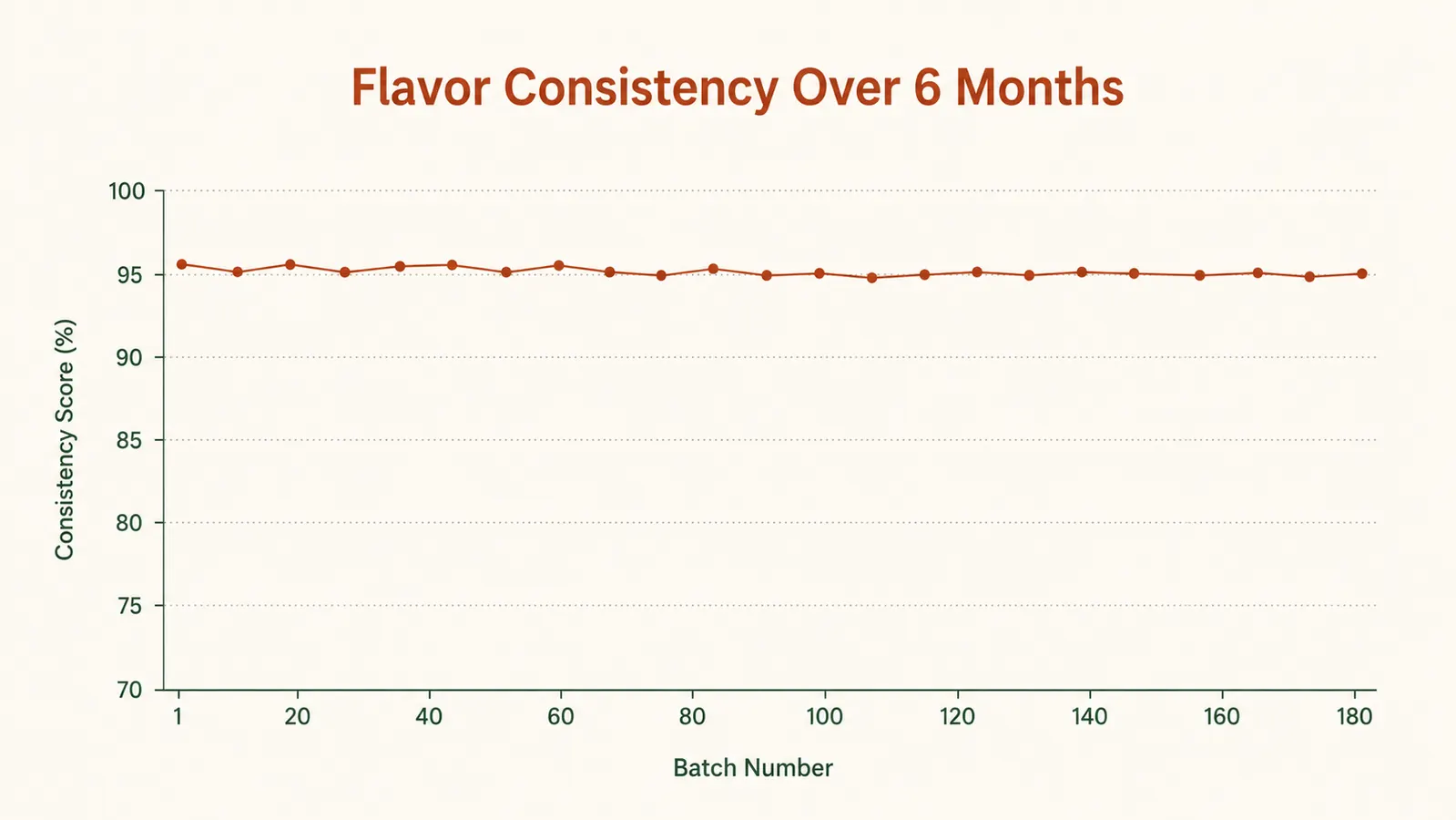
This is the question I actually cared about before buying it. Plenty of cold brew makers produce a decent first batch and then start tasting muddy or over-extracted by week three, usually because the filter starts letting fines through or the seal loosens. That hasn't happened here. Batch 180 tastes the same as batch 5, smooth, low acid, no bitterness, as long as I stick to my ratio of one and a half cups of grounds to the fill line.
I did learn the hard way that steep time matters more than I gave it credit for. I let a batch go 18 hours once because I forgot about it, and it came out noticeably more bitter and harder to cut with milk. Twelve hours is my sweet spot now, and I set a phone reminder because apparently even after 20 years of cooking I still forget things sitting in my own fridge.
The concentrate keeps well too. I've pushed a batch to day six in the fridge before finishing it, and it held its flavor without turning sour or flat, which wasn't true of the mason jar method I used before. That alone changed how much coffee I buy each month, since I'm not tossing out a stale half-batch anymore, and it means fewer last-minute grocery runs just because we ran dry mid-week.
The Handle and the Pour: A Small Design Choice That Matters
I mentioned the handle already, but the pour spout deserves its own paragraph because it's the detail most reviews skip. The lid has a built-in spout that lets me pour straight from the carafe without pulling the whole lid off, which keeps grounds and floaters out of my glass and keeps the fridge shelf from turning into a coffee-ring museum.
It's not a perfect seal, though. Pour too fast and you'll get a thin drip running down the side of the carafe onto the shelf below. I've adjusted by pouring slower and at more of an angle, and it's a non-issue now, but it took me embarrassingly long to figure that out for a system this simple.
Cleaning and Maintenance After Six Months of Daily Use
Cleaning has become such a non-event that I almost forgot to write about it, which is probably the best compliment I can give a kitchen gadget. Every morning I pull the filter basket, dump the spent grounds into my compost bin, and give it a quick rinse under hot water. Once a week I run the filter and the lid through the dishwasher's top rack, and the carafe gets a hand wash with a bottle brush since I don't trust the dishwasher with glass that size.
The one maintenance task I didn't expect was dealing with mineral haze on the fill-line markings. Hard water in my area left a faint film on the inside of the carafe by month two, the kind you'd get on a glass shower door. A vinegar-and-water soak once a month clears it right up, and it's not specific to this maker, it's just what hard water does to any glass vessel that sits full of liquid overnight, repeatedly, week after week.
Compare that to the drip machine it replaced, which needed a full descale cycle every six to eight weeks or the water started tasting metallic, and the Primula genuinely feels low-maintenance by comparison. Total time spent on cleaning and upkeep across six months has probably been about four hours, most of it the thirty seconds a day rinsing the filter, which I don't even notice as a chore anymore.
The Tradeoffs I've Learned to Live With
No gadget is perfect, and I'd be lying if I said this one is. The carafe takes up a real chunk of fridge shelf, more than a standard pitcher, and in a smaller fridge that's a genuine planning problem. I had to rearrange my top shelf permanently to make room for it.
The glass construction, the same thing I praised for keeping the coffee tasting clean, is also the thing I worry about most. It's not fragile exactly, but it's not a maker I'd hand to someone clumsy in the kitchen, or store somewhere it could get knocked around, like a camper or a dorm fridge that gets jostled.
And the mesh filter, while durable, needs a real rinse every single time or it starts holding onto old grounds that turn rancid and sour the next batch. It's maybe 90 seconds of extra work at the sink, but it's not a rinse-and-forget system the way a drip machine filter basket is.
Other Makers I Considered Before Buying This One
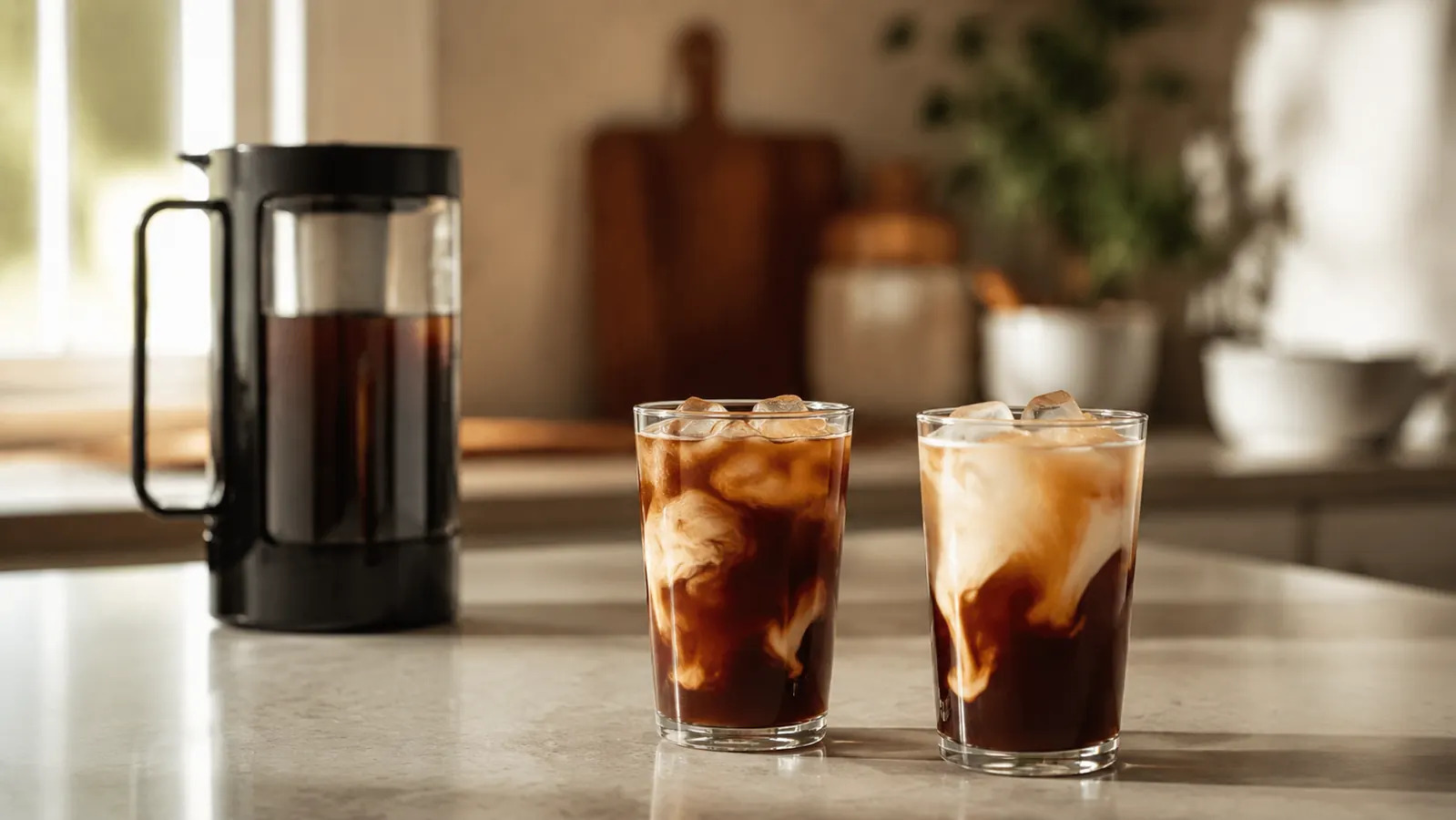
Before I landed on the Primula, I looked hard at a Hario-style cold brew pitcher and at just buying more mason jars and cheesecloth like I'd been doing. The Hario models I tried in a friend's kitchen use a paper filter, which produces a slightly cleaner cup but means an ongoing cost and one more thing to remember to restock, which isn't for me.
I also considered a cold brew concentrate system meant for single servings, the kind with a small brewing basket you use once and toss. Those are fine if you're making coffee for one person on an irregular schedule, but with two of us drinking iced coffee daily, a full 1.6-quart batch that lasts most of a week made more sense than restarting a small brew every other day. It also would have meant one more single-use gadget cluttering the counter, and my counter was already crowded enough without adding a second box just for coffee.
What I Liked
- Reusable mesh filter has held up through six months of nightly use without tearing
- Consistent flavor from batch 5 to batch 180 when you stick to the ratio
- Comfort-grip handle makes pouring a full carafe one-handed manageable
- Built-in pour spout keeps grounds out of the glass
- Concentrate holds its flavor in the fridge for close to a week
Where It Falls Short
- Glass carafe takes up more fridge shelf space than a standard pitcher
- Lid can crack if dropped on a hard floor, learned that one firsthand
- Filter needs a real rinse every time or it sours the next batch
- Pouring too fast causes a drip down the side of the carafe
Batch 180 tastes the same as batch 5. That's the whole review, honestly. Everything else is just details.
Who This Is For
This is for anyone drinking iced coffee daily or close to it, especially if you're currently buying it out or fighting with a cheesecloth-and-jar setup like I was. If you've got fridge space to spare and don't mind a nightly two-minute routine, this earns its spot fast, and if you're feeding more than one coffee drinker in the house, the full-size batch stops you from brewing twice a day.
Who Should Skip It
If your fridge is already packed to the gills, or you're someone who's genuinely hard on glassware in the kitchen, I'd look at a plastic-carafe alternative instead. Same goes if you only drink cold brew occasionally, a full 1.6-quart batch is more coffee than an occasional drinker will get through before it's due for a refresh, and letting concentrate sit unused past that first week starts to waste the beans you paid for.
Six Months, 180 Batches, Still the First Thing I Reach For
If your mornings start with either a coffee shop run or a mediocre jar-and-cheesecloth setup, this is the upgrade that actually sticks around.
Amazon Check Today's Price on Amazon →