
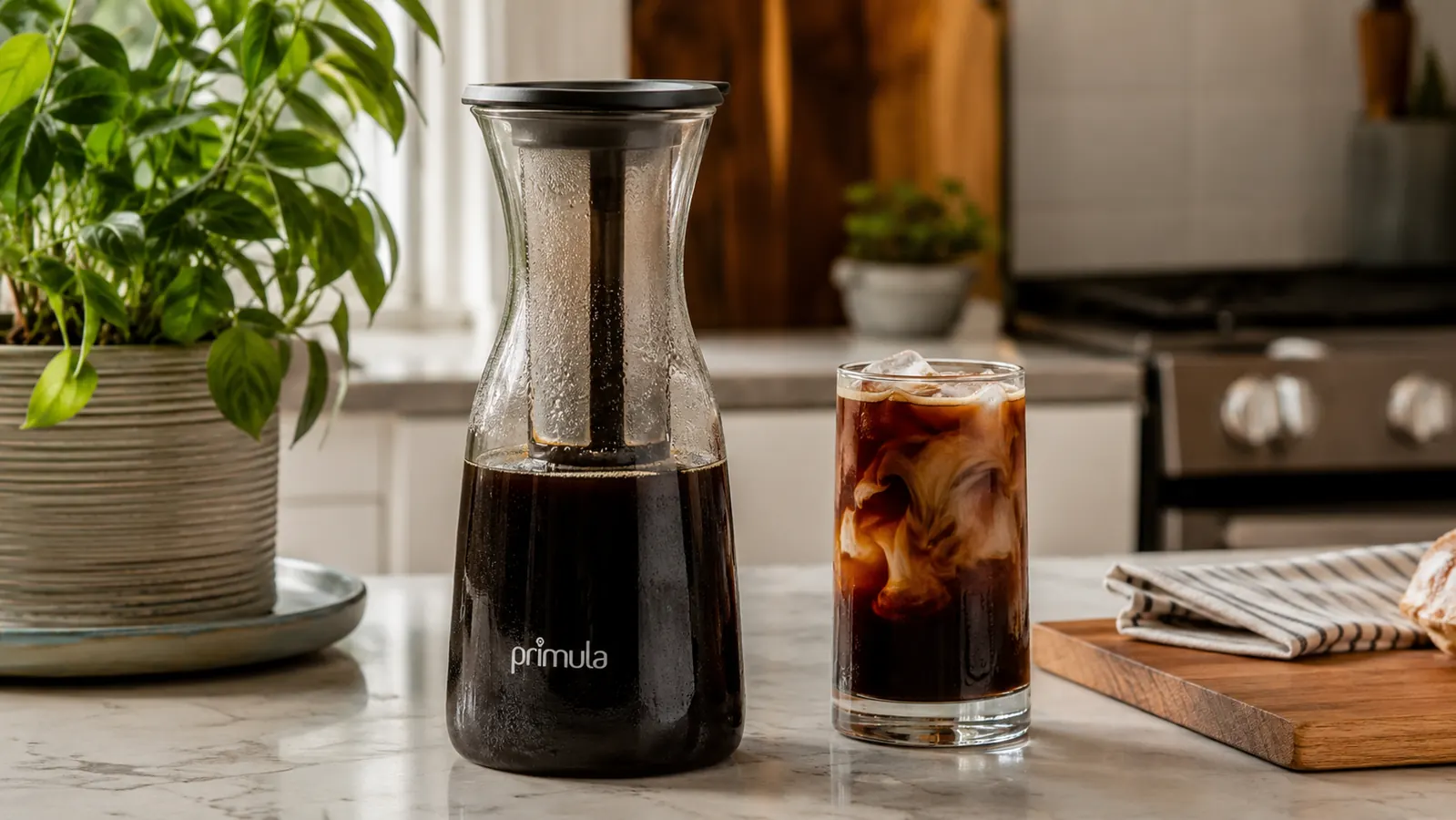
I used to make iced coffee the lazy way, brewing a pot hot and pouring it over ice, and I put up with the watered-down, slightly sour result for years because I didn't know there was a better option sitting right there in the name. Cold brew isn't hot coffee that got cold. It's a completely different extraction, steeped for twelve to twenty-four hours in room-temperature or cold water, and that one change is why it tastes smoother in a way I couldn't explain until I actually made a batch myself. The Primula Burke Deluxe cold brew maker is the reason I finally understood the difference, because it's the first setup that made the process simple enough to actually stick with on a Tuesday night instead of a lazy Sunday project.
I was skeptical that a glass carafe with a mesh filter core could be worth counter space I don't have much of. Here are the ten reasons cold brew, made properly, has replaced iced drip in my house for good.
The carafe that finally made cold brew a weeknight habit instead of a weekend project
If your iced coffee routine is a rushed pour over half-melted ice, this fixes it. The Primula cold brew maker turns a bag of grounds and a fridge shelf into a full carafe of smooth coffee, no equipment learning curve required.
Amazon Check Today's Price on Amazon →Cold water never pulls out the bitter compounds
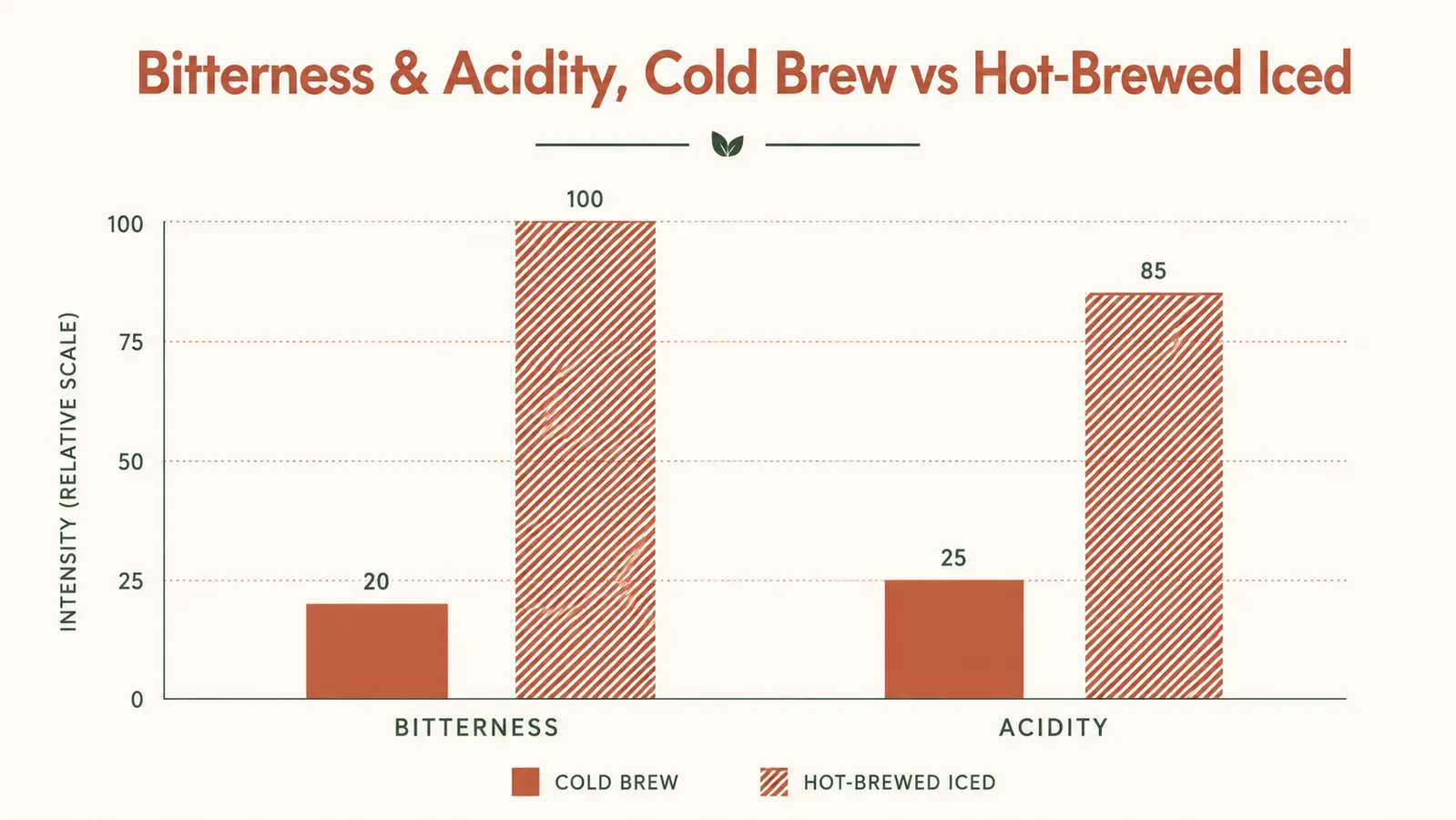
Hot water is aggressive. It extracts the good oils and flavor along with the bitter, acidic compounds that live in coffee's outer layers, which is why a hot-brewed iced coffee can taste sharp even after it's been chilled down. Cold water is a much gentler solvent, so it only pulls the smoother, sweeter compounds over that long twelve to twenty-four hour steep in my Primula carafe. The difference in the cup is not subtle. My first batch tasted almost sweet without a drop of sugar in it.
Acidity drops by a wide margin
I used to get a slight stomach edge from my morning iced coffee, and it turns out that's common with hot-brewed methods because heat extracts more chlorogenic acids. Cold brew measures noticeably lower in acidity, which is part of why it tastes rounder and why my stomach stopped complaining. My mother-in-law, who gave up coffee years ago over acid reflux, drinks the cold brew from my Primula carafe without issue, which told me more than any lab number could.
It doesn't get watered down by ice
Pour hot coffee over ice and you're diluting it the moment it hits the glass, which is why iced drip so often tastes thin. Cold brew concentrate is already strong enough to hold its own over ice without turning to flavored water by the time you're halfway through the glass. I make mine slightly stronger than I want to drink it, then cut it with a splash of milk or water to taste, and it still holds flavor to the last sip.
The flavor holds steady for a week in the fridge
A batch in the Primula carafe keeps its taste for about seven to ten days in the fridge, which means I brew once on Sunday night and I'm set through the work week. Hot-brewed coffee starts tasting stale and flat within hours of sitting, even refrigerated. Cold brew concentrate barely changes day to day, so the cup I pour on Thursday tastes basically the same as the one I poured on Monday.
The mesh filter does the straining for you
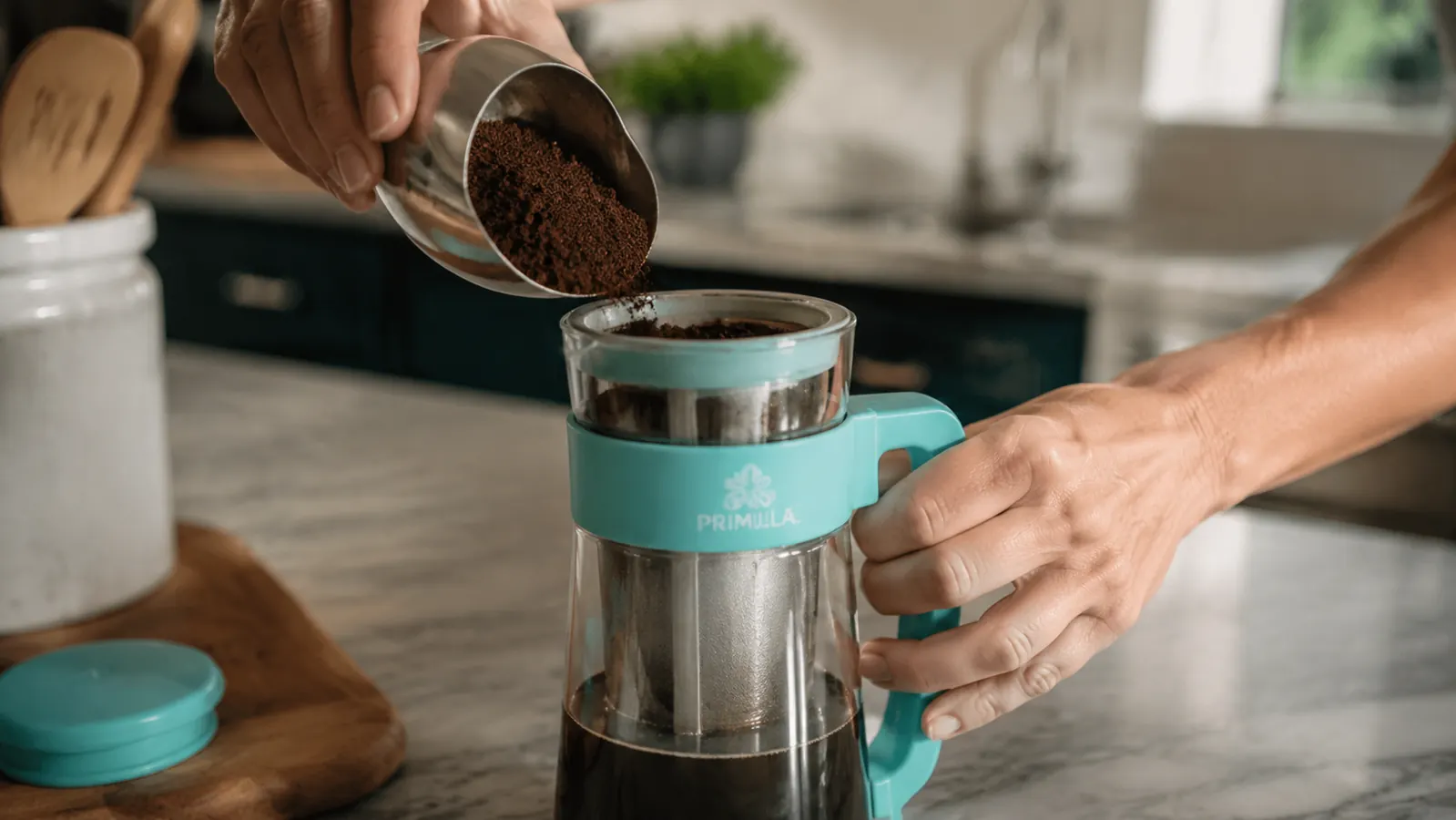
My first attempt at cold brew, before the Primula, involved cheesecloth, a rubber band, and grounds all over my counter. The removable mesh filter core in this carafe holds the grounds while it steeps, then lifts straight out when it's done, no separate straining step, no gritty sediment in the bottom of my glass. That's the part that made the difference between a one-time experiment and an actual routine.
See why grocery-store cold brew stopped making sense once I priced this out
A carafe that produces a full batch of smooth, low-acid coffee for well under what a week of coffee-shop cold brew costs. Check today's availability before your next weekly grocery run.
Amazon Check Today's Price on Amazon →It's actually cheaper than the coffee shop version
A 32-ounce bottle of cold brew at a coffee shop near me runs close to five dollars. The Primula carafe holds roughly that much concentrate, made from a bag of grounds I already had in the pantry, for a fraction of the cost per serving. I did the math after about a month of daily use and stopped feeling guilty about how much coffee I actually drink.
You control the strength instead of guessing
Coffee shop cold brew is a fixed ratio you have no say in. At home, I can steep a stronger concentrate for iced lattes with milk, or a lighter batch for drinking mostly black over ice. Once I found my ratio, roughly a cup of coarse grounds to four cups of cold water, every batch since has come out exactly how I want it, which is more control than I ever had buying it pre-made.
No hot equipment competing for counter space in summer
I don't love running a hot drip machine in July when my kitchen is already warm from dinner prep. The Primula sits in the fridge doing its thing overnight, no heat added to the room, no extra appliance clogging the counter next to the stove. It's one of those small conveniences that only matters once you notice it, and then you can't unnotice it.
It pairs better with milk and sweeteners
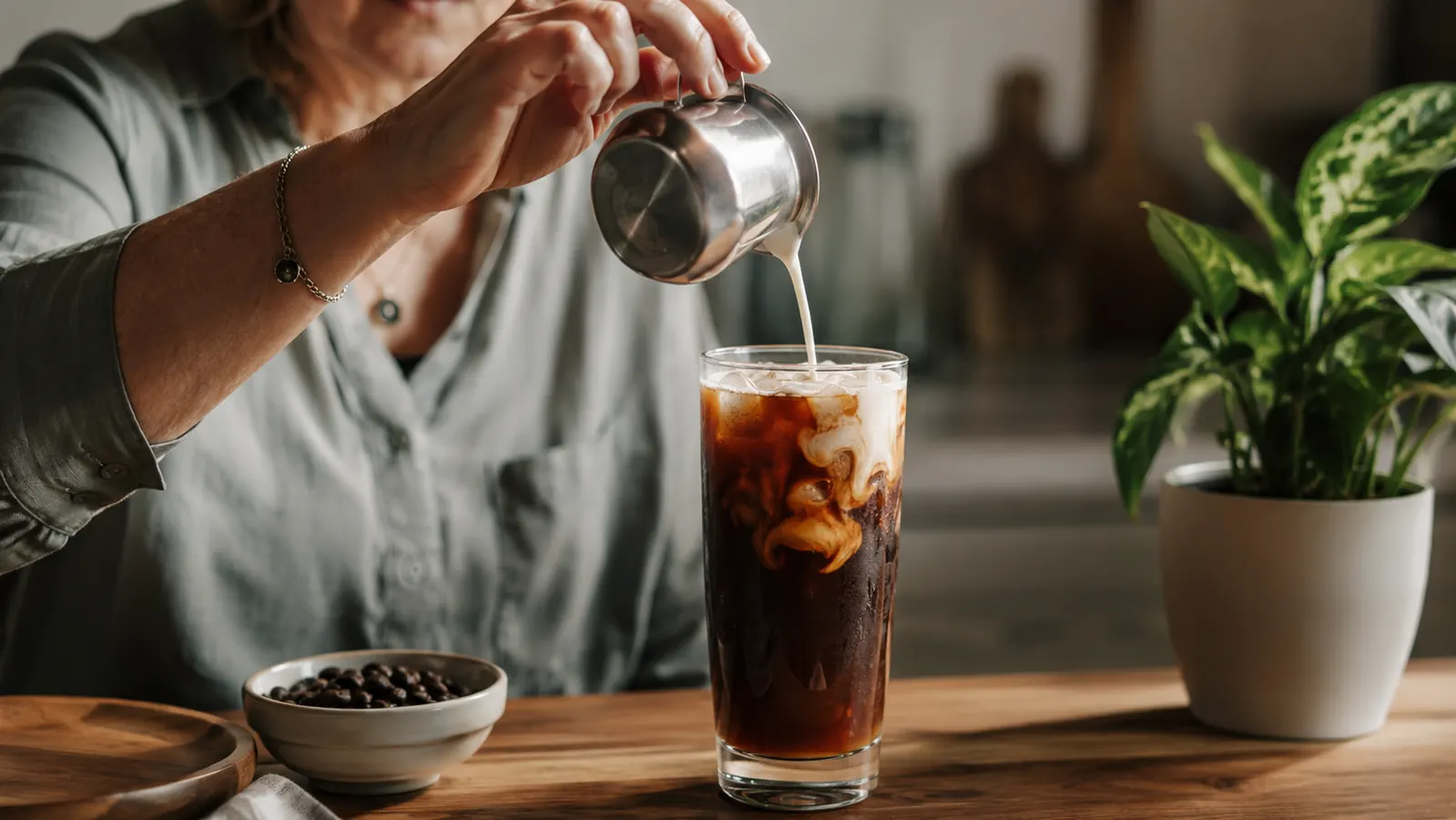
Because cold brew concentrate is smoother and less sharp to begin with, milk and simple syrup blend into it instead of fighting the bitterness the way they sometimes do with a strong hot-brewed cup. My husband, who drinks his coffee closer to dessert than coffee, says this is the only version he'll actually finish without adding a third pump of syrup.
One batch covers hot coffee too
On a cold morning I don't feel like starting the day with iced anything, I just heat a splash of the cold brew concentrate with hot water or milk. It works as the base for both hot and iced drinks, so I'm not running two separate systems depending on the weather. That flexibility is honestly the reason the Primula carafe never got pushed to the back of a cabinet like most single-purpose gadgets do in my kitchen.
What I'd Skip
Cold brew isn't the right fit for everything. If you love the bright, fruity, aromatic notes that come from a fresh hot pour-over, cold brew mutes a lot of that nuance because the gentler extraction that cuts bitterness also flattens the brighter flavor notes, so a light-roast single-origin bean can end up tasting a little one-note. It's also not an instant-gratification method. If you want coffee in five minutes, this isn't it, since the steep alone takes half a day or more, and forgetting to start a batch the night before means going without. And if you're only making a single cup here or there, a whole carafe of concentrate sitting in the fridge for a week might be more than you'll actually drink before it starts to fade.
I stopped pouring hot coffee over ice and started letting the fridge do the work overnight, and I have not gone back since.
Ready to stop watering down your iced coffee
The Primula Burke Deluxe cold brew maker is the tool that made these ten reasons real in my own kitchen, not a marketing sheet. If your iced coffee has ever tasted thin, sharp, or just not worth the effort, this is worth trying.
Amazon Check Today's Price on Amazon →