
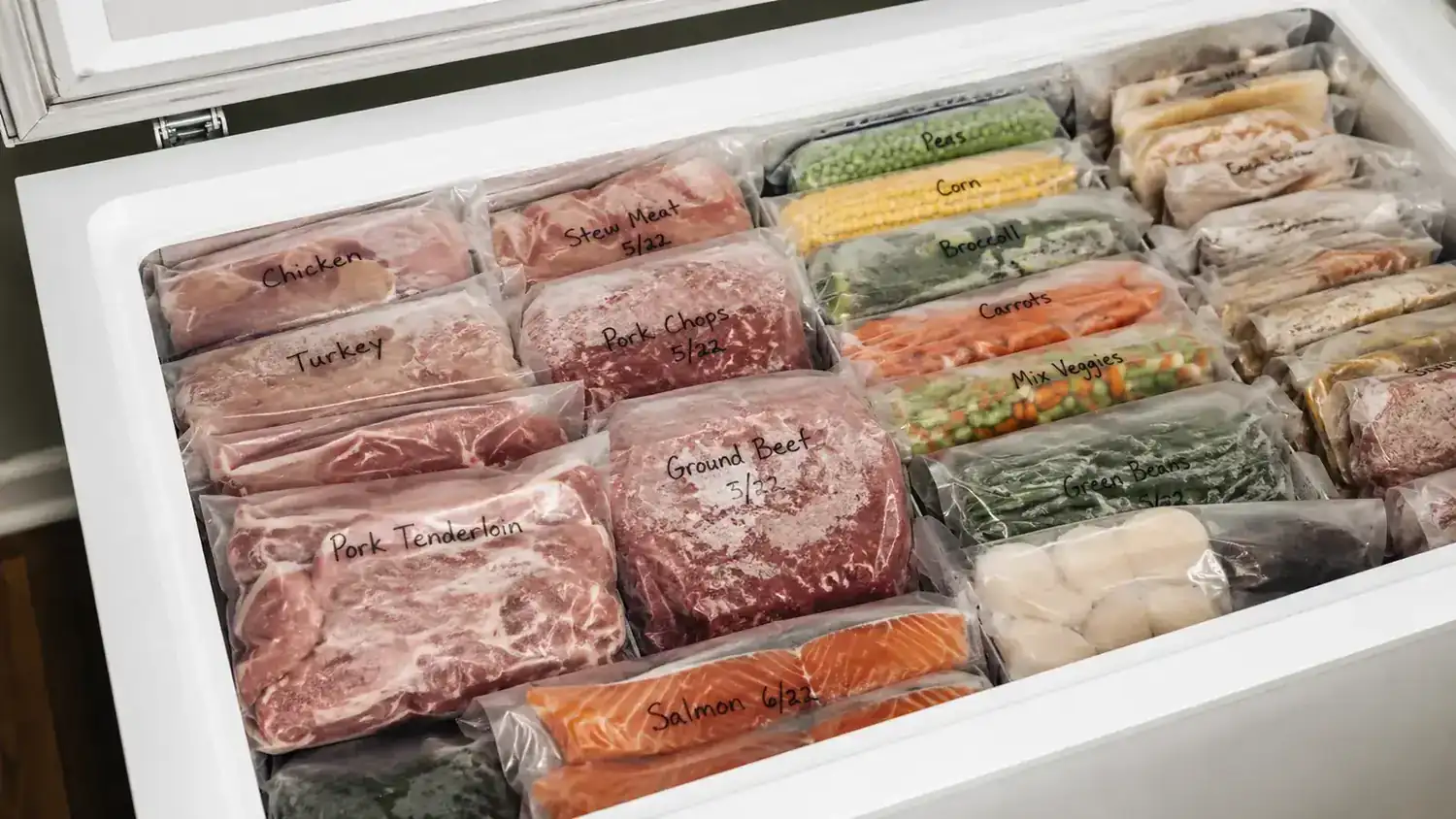
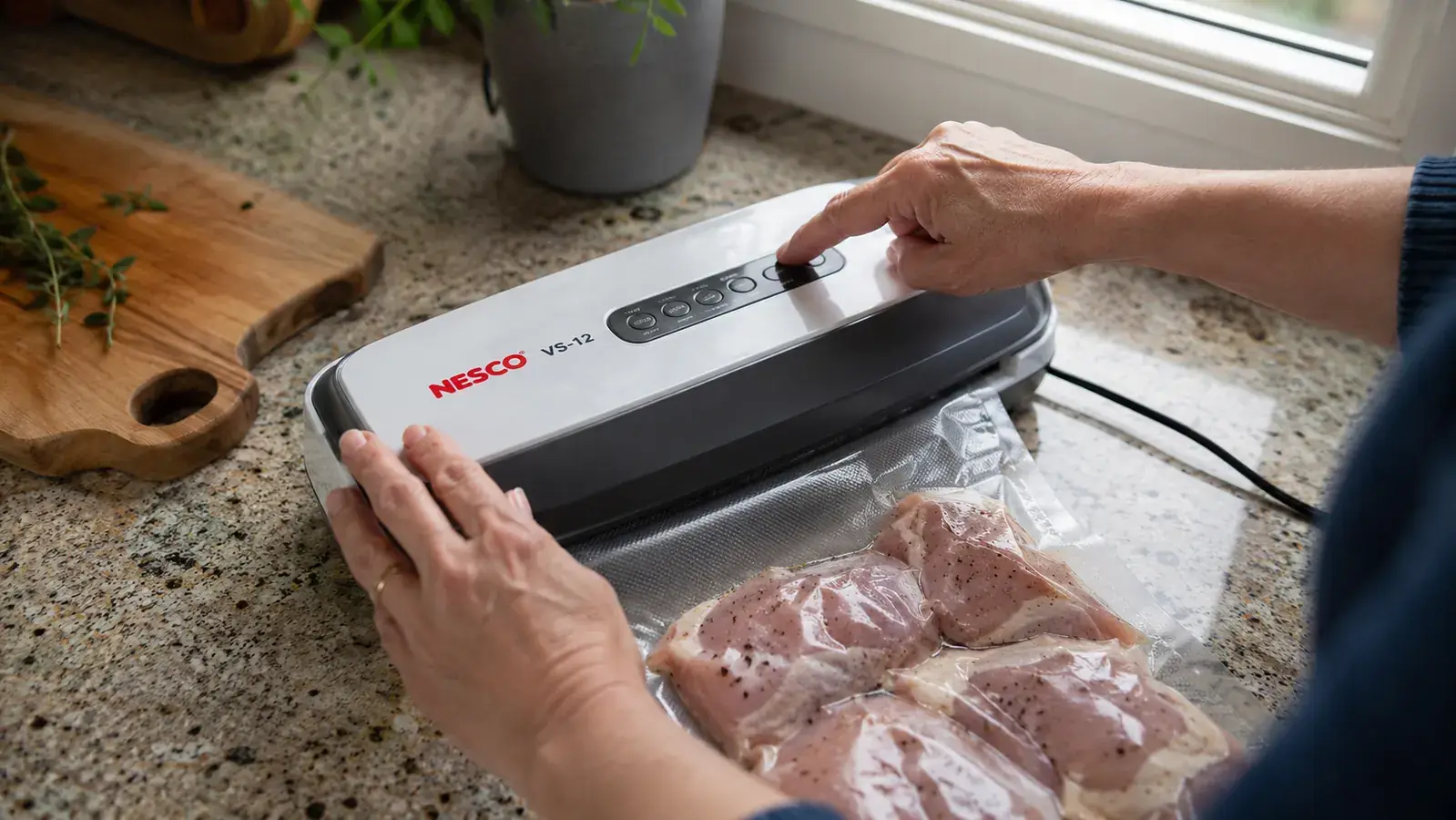
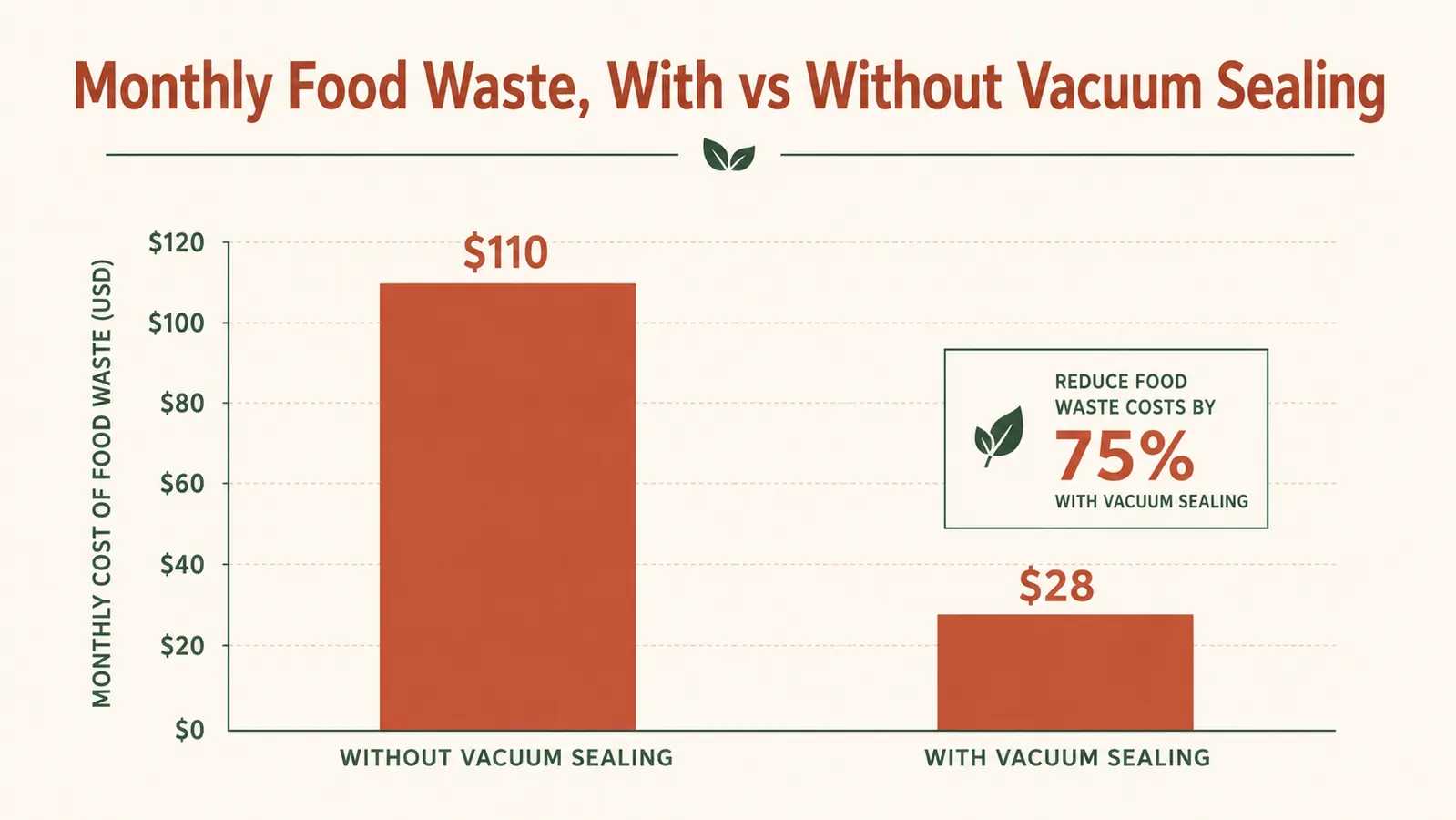
I did not buy a vacuum sealer to be trendy. I bought one because I threw out a $19 pork shoulder in 2019 and it made me so mad I couldn't sleep. Three years and roughly 40 pounds of freezer-burned regret later, I finally caved and got a Nesco VS-12, and it has been sitting on my counter, not in a drawer, ever since. This is not a gadget I test once and forget. Vacuum sealing is the one habit that has actually changed how much I spend at the grocery store, and I can point to specific dollars saved, not vague feelings.
I test kitchen gear for a living, which means I am naturally suspicious of anything that promises to save money. Most things don't pay for themselves, they just move the mess somewhere else. This one does, and I've kept a rough tally of where. Here are the ten specific ways I've watched it pay for itself, plus the one thing I still wouldn't bother sealing.
The sealer that finally earned a permanent spot on my counter
This is the exact Nesco VS-12 I've used weekly for over two years. Check today's price before it moves.
Amazon Check Today's Price on Amazon →Bulk meat sales stop being a gamble
When the case-lot sale hits and chicken thighs drop to under two dollars a pound, I used to buy one pack because I knew the rest would gray out in the freezer before I got to it. Now I buy the 10 pound box, portion it into meal-sized bags with the Nesco the same afternoon, and every single portion comes out of the freezer tasting like it was bought that week. Last month that was the difference between paying $1.79 a pound and $4.29 a pound for the same cut, just by buying at the right time instead of whenever we happened to run out.
Freezer burn basically disappears
Freezer burn isn't about temperature, it's about air contact. A regular freezer bag still has air pockets pressing ice crystals into the surface of the meat, which is what turns it gray and dry. Pulling a true vacuum stops that almost entirely. I've had vacuum-sealed pork shoulder come out of my chest freezer after eight months tasting like it went in yesterday, no white freezer-burned patches, no dry outer layer I have to trim off and toss before it even hits the pan.
Leftovers actually get eaten instead of tossed
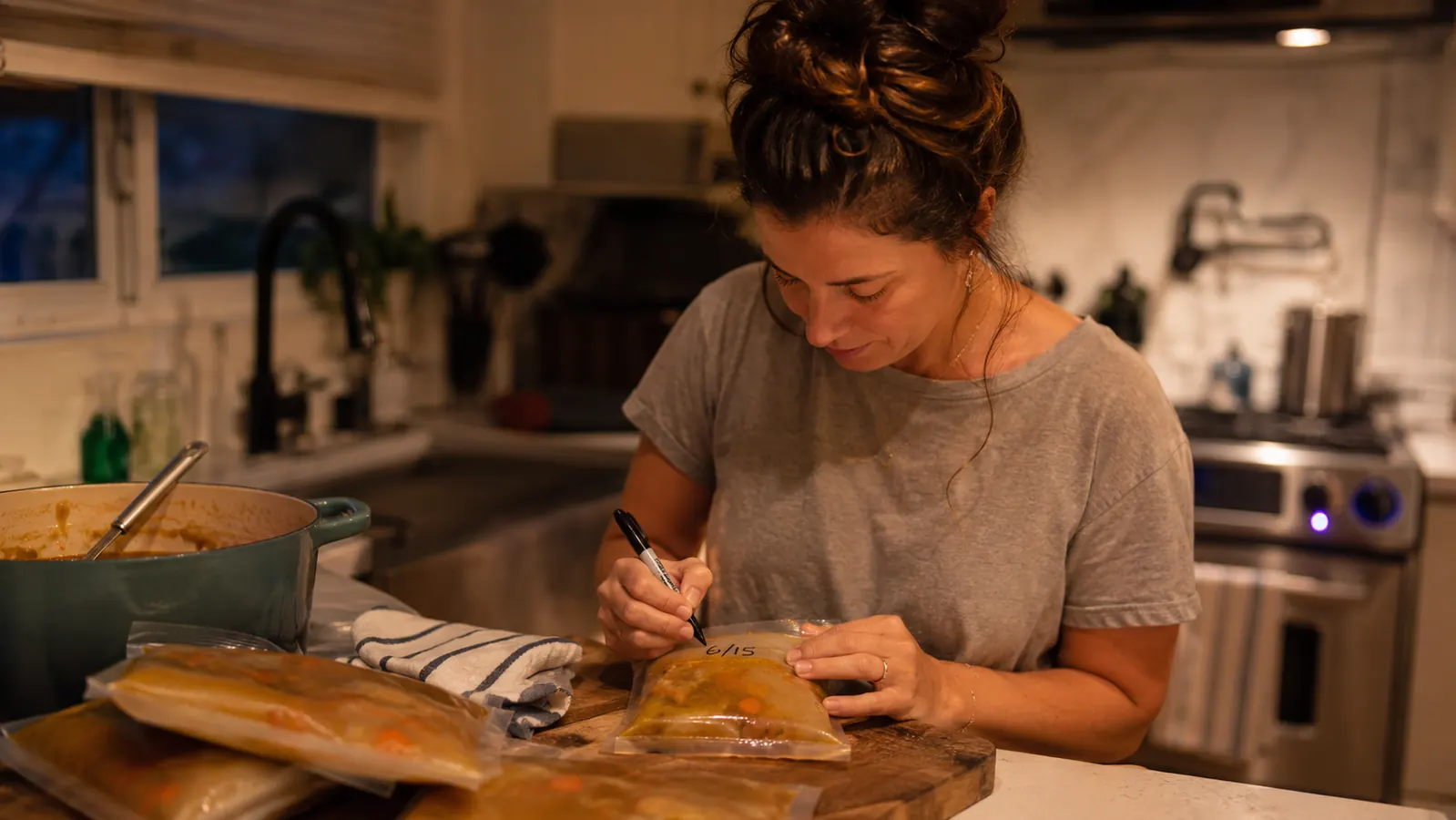
I make a big pot of soup or chili most Sundays, and for years the back third of the pot lived in a container in the fridge until it grew something and got dumped. Now I ladle the extra into vacuum bags, lay them flat to freeze, and stack them like files in the freezer door. A flat sealed bag of soup thaws in a bowl of hot water in about 20 minutes, which means it's faster than takeout, so it actually gets used on a weeknight instead of quietly composting itself in the back of the fridge.
Produce lasts long enough to actually use
Berries are the worst offender in my kitchen, three days from perfect to fuzzy. I started washing and drying a big batch, then sealing them in smaller bags with a paper towel inside to catch moisture. They still won't last forever, but I've stretched a $6 clamshell of strawberries from three days to closer to ten, which means I stop buying a second clamshell out of guilt when the first one goes bad before we finish it.
Meal prep stops feeling like a chore
I portion cooked rice, shredded chicken, and roasted vegetables into single-serving bags every other Sunday, about 45 minutes of work total. Because everything is already measured and sealed, lunch is a bag in the microwave instead of a decision I have to make while hungry, which is when I'm most likely to order delivery. Cutting delivery orders from three a week down to about one saved my household closer to $140 a month, and the sealer is the tool that made prepping fast enough to actually stick with instead of turning into another abandoned Sunday habit.
Bulk pantry staples stay pest-free and fresh
Flour, rice, oats, and nuts all last longer sealed than in their original bag, and sealing keeps out the pantry moths that once got into an entire 20 pound bag of flour I had to throw away whole. That one incident alone was worth more than the sealer cost. Nuts especially benefit, since their oils go rancid fast at room temperature but barely budge once vacuum sealed and frozen, so a big bag of walnuts from the bulk bin actually gets used before it turns bitter.
Marinating gets faster, which means fewer last-minute takeout orders
A vacuum seal forces marinade into the meat fast because there's no air pocket keeping it at the surface. A chicken breast that needed four hours in a zip-top bag is well marinated in about 20 minutes vacuum sealed. On nights when dinner plans fall apart at 5:30, that's the difference between cooking something good at home and ordering out because nothing was ready in time, and it's the small margin that keeps a $12 takeout order from happening twice a week.
Warehouse club trips finally make sense
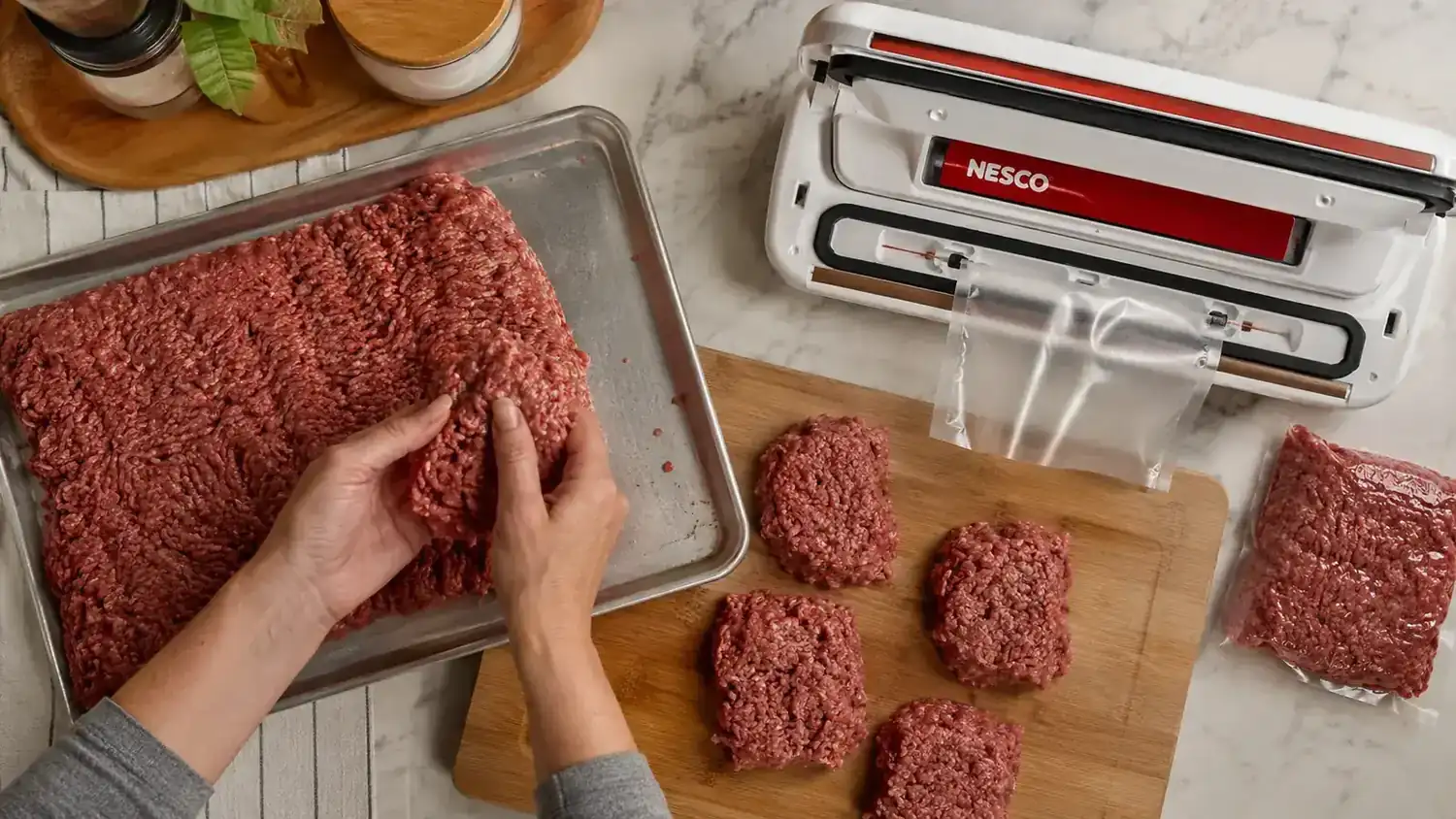
I avoided Costco-sized meat packs for years because I knew half of it would go bad before we finished it. Now a 12 pound brisket or a family pack of pork chops gets broken down and sealed the day I buy it, so the per-pound savings of buying in bulk actually reach my plate instead of getting thrown out with freezer-burned scraps a month later.
Sous vide cooking becomes cheap instead of fussy
Sealed bags are what make sous vide work, and once I had the sealer for food storage anyway, sous vide stopped being an extra expense and started being a free upgrade. A $9 chuck roast cooked low and slow for 24 hours comes out tasting close to a $30 cut, which is the kind of quiet grocery win that adds up over a year without ever feeling like a sacrifice at dinner.
It stretches the life of things you already paid full price for
Cheese, cured meats, opened bags of coffee, half a bottle of good olive oil decanted into a smaller sealed container. These are all things I used to let go stale because the clip or twist tie wasn't doing its job. None of these savings are individually huge, but they're the kind of small leaks that, patched together, keep another twenty or thirty dollars a month from quietly draining out of the grocery budget without me ever noticing where it went.
What I'd Skip
I don't seal anything I'm eating within a day or two, it's not worth the bag. Bread and other soft, air-dependent baked goods also get crushed flat under real vacuum pressure, so I skip those unless I use a gentler pulse setting made for delicate items. And I don't bother sealing single servings of things that freeze fine loose, like frozen fruit already sold in a bag from the store. Honest use matters more than sealing everything just because the machine is sitting there begging to be used.
The sealer didn't change what I cook. It changed how much of what I already bought actually made it to the table.
Ready to stop paying for food you end up throwing away
The Nesco VS-12 is the sealer behind every reason on this list. See today's price and current availability.
Amazon Check Today's Price on Amazon →